Why Real Estate is the Foundation of Wealth Creation
March 13, 2024
Discover the transformative power of a wealth mindset in real estate investment.
Read More >>>
.png)


-2.png)
Property type sits at the center of commercial real estate (CRE) performance. It influences how income behaves after acquisition, how tenants interact with the asset and how much involvement ownership requires over time. These outcomes are established early, often before pricing, leverage or market narratives are introduced.
Experienced investors focus on how an asset functions once it is owned. Lease durability, tenant concentration, operating exposure and demand depth all flow from the underlying property type. These factors shape your income consistency and determine how predictable execution remains across market cycles.
A clear understanding of the types of commercial real estate provides a framework for informed decision-making, especially when you understand how commercial vs residential real estate shapes income, risk and strategy. When property type aligns with strategy, capital moves with intention, operations stay controlled and performance follows a repeatable path built on fundamentals rather than assumptions.

Types of commercial real estate shape how income flows, how risk appears and how involved you need to be once a deal is live. This is one reason many investors research which commercial property is the most profitable before allocating capital. Two properties with similar pricing can deliver very different outcomes because tenant behavior, lease structure and demand drivers vary by asset. When your strategy aligns with the right commercial property type, performance feels measured and intentional rather than exposed to surprise.
At a practical level, property type influences strategy through a few core factors that affect results consistently:
Your time horizon and experience level also matter. Long-term strategies tend to align better with property types that benefit from durable demand and gradual growth. Shorter or more active strategies often require assets where repositioning, leasing improvements or operational control can create value.
Before committing capital, it helps you to view property type as a strategic filter rather than a feature. When income profile, risk tolerance and expertise line up, commercial real estate becomes a repeatable process instead of a guessing exercise.
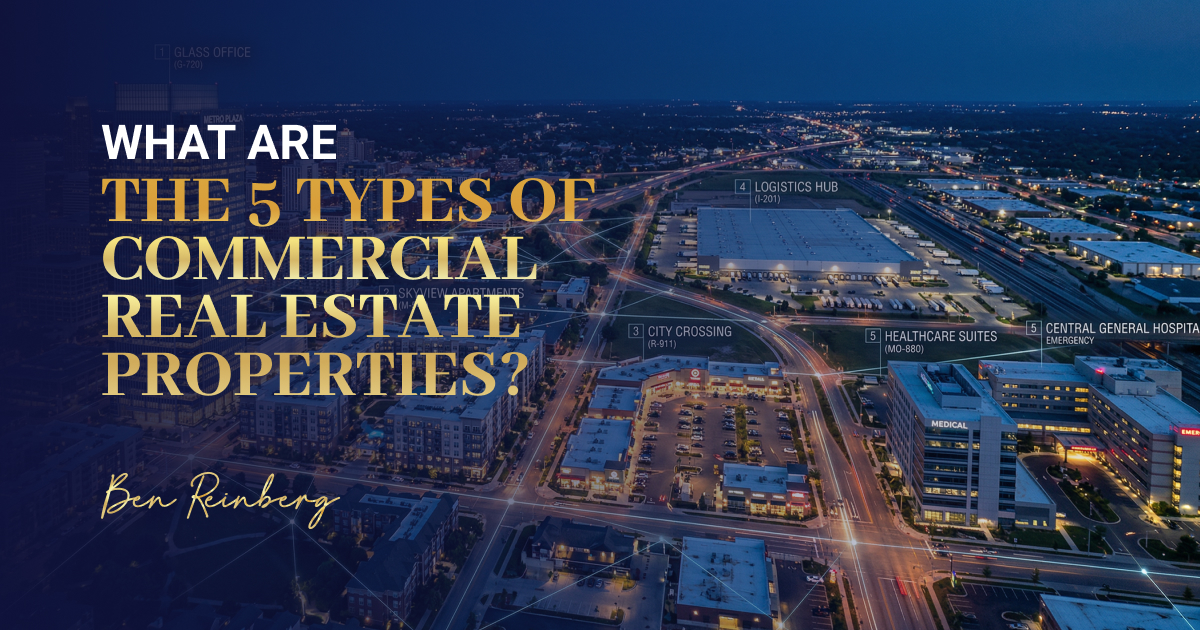
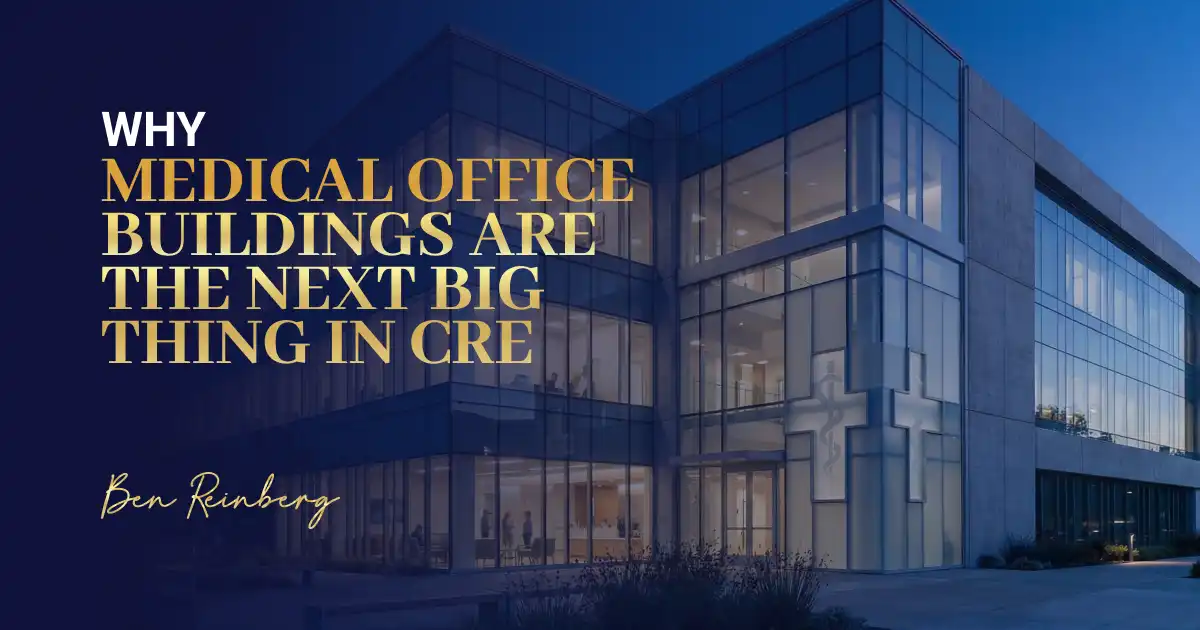
Medical office buildings are designed for healthcare providers and support clinics, specialists and outpatient services. Veterinary clinics also fall within this category, operating as healthcare real estate assets with specialized build-outs, licensing requirements and location-dependent demand that reinforce longer lease terms and stable occupancy.
Within these types of commercial real estate, tenants tend to sign long leases due to high build-out costs and regulatory requirements, which supports your income stability. Performance is tied to healthcare demand rather than office employment cycles.
Medical office investment is one of the best types of commercial real estate because it rewards you with a strong location analysis and tenant evaluation. Cash flow strength often hinges on lease rollover timing and tenant concentration rather than headline rent. Investors who understand local demand drivers and space adaptability are better positioned to manage risk and protect income over time.
Retail real estate properties generate income by leasing space to businesses that rely on physical visibility and customer access to drive sales. Rent performance is closely tied to foot traffic, tenant sales strength and how well a location captures local demand. Retail income reflects consumer behavior as it unfolds at the property level.
Some of the most effective retail properties to invest in include:
Retail investing favors precision over scale. Location quality, tenant durability and lease design carry more weight than headline rent. Investors who prioritize demand fundamentals and tenant strength tend to achieve steadier performance across retail asset types.
Industrial and warehouse properties generate income by supporting essential business functions tied to storage, production and distribution. Demand is shaped by logistics efficiency, supply chain continuity and proximity to infrastructure that enables consistent operations.
The income performance of industrial real estate investment is established through location, zoning and how well a facility supports tenant workflows. Depending on function and layout, industrial assets include:
Investing in these types of commercial real estate deals rewards disciplined site selection and infrastructure access, where property design aligns closely with your tenant operations to support durable income across market cycles.
Multifamily real estate investments generate income through rental housing across multiple units, which helps spread risk and support steady cash flow. Demand is tied to housing needs, making multifamily one of the more consistent performers among different types of commercial real estate investments. Results tend to reflect local job growth, population trends and how effectively a property is operated after acquisition.
Common multifamily property types include garden-style apartments in suburban markets, midrise and high-rise buildings in urban areas, workforce housing that serves middle-income renters and specialized student and senior housing that are tied to specific demographics.
These assets benefit from centralized commercial asset management and financing structures often paired with a revenue share model across residential developments based on property performance ratherthan personal income. Investors who focus on strong markets, control expenses and identify practical value-add opportunities often achieve more predictable outcomes over time.
Special-purpose properties generate income through defined uses tied to operations rather than flexible leasing. Performance depends on how well the asset supports its function and how effectively it is operated within its market.
Common special-purpose property types include:
Special-purpose investments reward experience and precision. Limited flexibility places greater emphasis on operator quality, technology adoption and alignment with long-term demand trends.

Choosing the best from the different types of commercial property investments starts with clarity, not deal size or market noise. A structured approach helps you avoid assets that look attractive on paper but conflict with your goals once ownership begins.
Decide how predictable cash flow needs to be, starting with a clear understanding of the commercial real estate definition and how different property types generate income. Lease structure, tenant behavior and operating demands all shape how consistent returns will be over time.
Consider how much vacancy risk, tenant concentration or market sensitivity you can absorb without pressuring returns.
Long-term holds favor assets with durable demand. Shorter timelines often require properties where value can be actively created.
Be realistic about the level of involvement required. Operationally intensive assets demand more oversight and experience.
Strong fundamentals matter more than asset class trends. Population growth, employment and supply constraints shape performance.
Properties perform best when investor experience matches asset complexity. Strategy works when knowledge about the different types of commercial real estate supports execution.
Commercial real estate performance improves when property selection, underwriting and execution are handled by someone who has navigated multiple market cycles. I focus on property types where tenant quality, lease structure and demand fundamentals support durable income, then apply disciplined underwriting and active oversight to control risk after acquisition.
Working with an experienced expert helps investors avoid misaligned assets and concentrate capital in property types designed to perform consistently over time.
Stable returns begin with disciplined alignment between types of commercial real estate, underwriting and execution. When assets support defined income targets, risk parameters and operational capacity, performance follows a clear structure and remains repeatable across market cycles.
That approach reflects how I built and managed a $500M+ commercial real estate portfolio with a 28% historical internal rate of return (IRR). The focus stays on fundamentals-driven acquisitions, institutional-grade tenants and long-duration leases across resilient property types such as industrial logistics, medical office buildings, essential-service retail and triple-net lease (NNN) assets. Each sector plays a specific role in strengthening income durability and portfolio stability.
Commercial real estate becomes a reliable growth engine when property type selection leads the strategy. Become an investor now and align capital with assets designed for consistent cash flow, controlled execution and long-term performance.
Commercial real estate refers to income-producing properties used for business or residential scale purposes, including office buildings, retail centers, industrial facilities, multifamily housing, and special-purpose properties. These asset types form the foundation of commercial real estate investments. Investors often compare them when exploring what type of commercial property is most profitable, though profitability depends on factors such as location, market demand, operating costs, and investment goals.
The different types of commercial real estate include office buildings, retail centers, industrial facilities, multifamily housing and special-purpose assets. Each category supports different types of commercial real estate deals based on income structure and use.
Getting into commercial real estate starts with learning how assets generate income, analyzing markets and understanding financing. Many investors begin by partnering with experienced operators or investing in smaller deals before scaling into different types of commercial real estate investments.
Profitability varies by market and execution, though industrial, multifamily and well-located retail often attract investors due to income durability and scale. Success depends on how different types of commercial real estate deals align with strategy and management discipline.
The best commercial property depends on your income goals, risk tolerance and involvement level. Industrial, multifamily and essential retail often suit long-term strategies, while outcomes improve when investors match expertise to different types of commercial real estate investments.